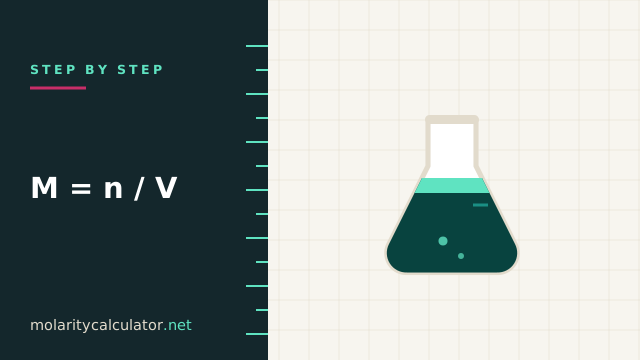
Knowing the formula is half the job. Turning a target molarity into a correctly made solution on the bench is the other half, and it is where small habits separate reliable results from batches that have to be remade. Here is the protocol experienced lab workers follow.
Step 1: calculate the mass
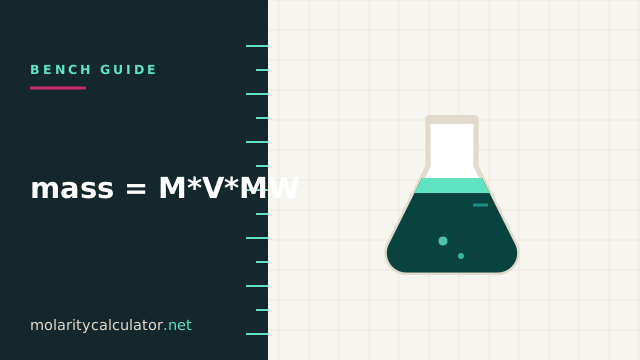
Decide the molarity and final volume you need, then compute the mass of solute with mass = M × V × MW. For 500 mL of 0.1 M sodium chloride: 0.1 × 0.5 × 58.44 = 2.92 g. Run the numbers through the molarity calculator so you have a printed value to weigh against.
Step 2: weigh accurately
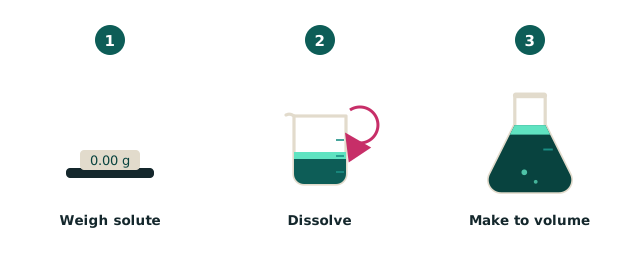
Tare a clean weigh boat on a balance with enough resolution for your quantity — an analytical balance reading to 0.1 mg for small masses. Add solute until you reach the target. Transfer it quantitatively into the flask, rinsing the boat into the flask so none is left behind.
Weigh the form of the compound you actually have. Hydrated salts such as CuSO4·5H2O weigh more per mole than the anhydrous form because of the bound water. Using the wrong molar mass throws off the concentration.
Step 3: dissolve in less than the final volume
Add roughly half to two-thirds of the final volume of solvent and dissolve the solute completely, with stirring or gentle warming if needed. Dissolving first and topping up later is essential: the solute changes the total volume, so you cannot simply add solute to a full flask of water and expect the right concentration.
Step 4: make up to the mark
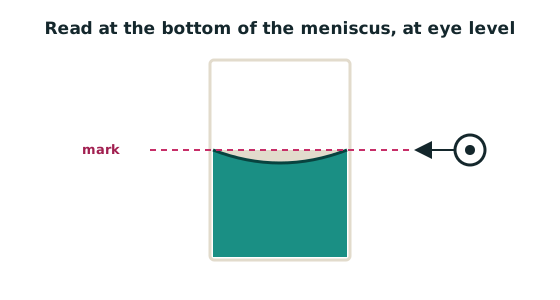
Pour the dissolved solution into a volumetric flask of the target volume and add solvent until the bottom of the meniscus sits exactly on the calibration line, viewed at eye level. Stopper and invert several times to mix. The volumetric flask, not a beaker or graduated cylinder, is what makes the final volume accurate.
Step 5: label and store
Label immediately with the identity, concentration, your initials, and the date. An unlabelled bottle is a hazard and a waste. Store according to the reagent — some solutions degrade in light, some need refrigeration, and some should be made fresh each time.
Quick checklist
- Mass calculated and double-checked with the calculator
- Correct hydrate form weighed
- Dissolved in part of the volume first
- Made up to the mark in a volumetric flask
- Mixed thoroughly and labelled
For ready-made recipes of common reagents at any volume, see our solution recipe library.
Recommended lab gear
Some links below are affiliate links. As an Amazon Associate we earn from qualifying purchases, at no extra cost to you. See our affiliate disclosure.
Volumetric Flask Set (Class A)
Class A borosilicate flasks for making solutions to an exact volume.
View on Amazon